Grease Trap Cleaning Hazelcrest IL
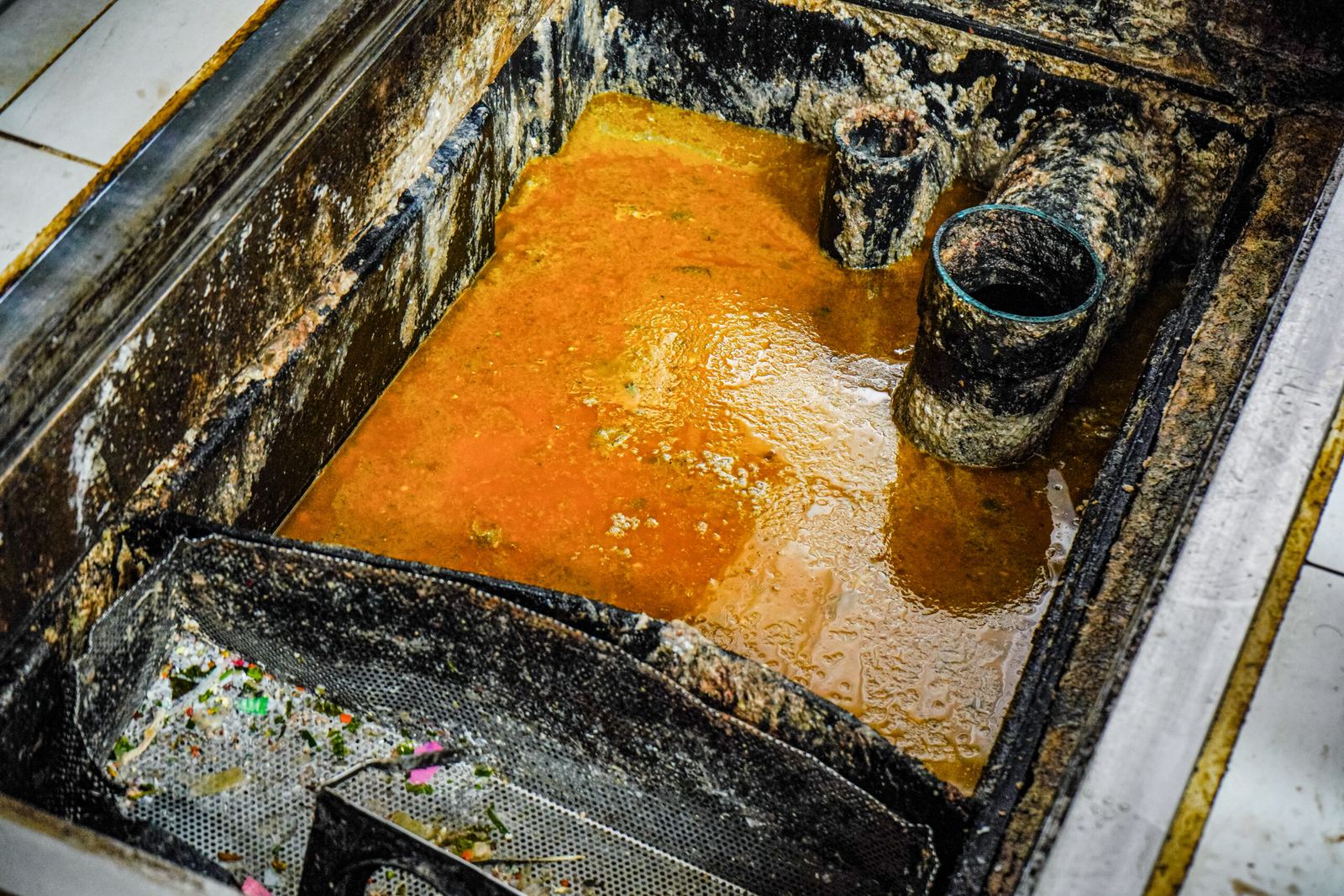
Kitchens across the village call for Grease Trap Cleaning Hazelcrest IL operators can rely on when a drain slows, an inspector asks for records, or the trap simply hits its scheduled date. We pump the tank to the bottom, scrape the baffles and walls, check the inlet and outlet tees, and leave a written record you can show anyone who asks.
Hazel Crest is a compact village of roughly 13,000 people, but its food-service mix is wider than its size suggests: a hospital kitchen on Kedzie Avenue, school cafeterias, banquet rooms, church kitchens, and quick-serve counters along the main roads. Each of those runs a different trap and fills it at a different pace, so we size the visit to the kitchen rather than to a fixed route.
Scheduled grease trap cleaning also costs far less than an emergency call after a Friday backup, and it gives you a paper trail before anyone asks for one.
What a service visit looks like in a Hazel Crest kitchen
A typical visit starts with a short walk-through with the manager to confirm where the unit sits and when the kitchen needs its drains back. The technician opens the lid, measures the floating grease and the settled solids, then vacuums the full contents into the truck. Baffles, walls and tees are scraped and rinsed, the lid gasket is checked, and the unit is refilled with clean water so it separates properly from the first sink of the day. Before leaving, the technician writes up gallons removed, layer depths and any repair notes.
MWRD and Cook County rules for Hazel Crest kitchens
Wastewater leaving Hazel Crest flows into the Metropolitan Water Reclamation District of Greater Chicago (MWRD) system and on to its Calumet Water Reclamation Plant. The MWRD Sewage and Waste Control Ordinance bars discharges that obstruct sewers or interfere with treatment, and congealed fats, oils and grease (FOG) are the most common culprit from restaurants. The village maintains the local collection mains, so a blockage traced to your lateral becomes a village conversation quickly.
Interceptor sizing and installation fall under the Illinois Plumbing Code (77 Ill. Adm. Code 890), while food establishment inspections in suburban Cook are handled by the Cook County Department of Public Health. Inspectors increasingly ask to see pumping dates, so every visit ends with a service record listing gallons removed and the condition of the unit.
Kedzie Avenue, 167th Street and the Metra corridor
Advocate South Suburban Hospital on Kedzie Avenue anchors the west side, and its cafeteria and patient-meal kitchen run around the clock. Smaller medical offices, pharmacies with lunch counters and a handful of restaurants cluster along the same stretch. Further east, 167th Street, 171st Street and 175th Street carry most of the village's quick-serve and carry-out traffic.
Near the Metra Electric stops at Hazel Crest and Calumet, the trade is lunch and evening carry-out: fried chicken and fish, pizza, wings and family-run grills. Banquet halls and church kitchens are the wild card. They may sit idle for weeks, then push a full wedding or repast through the trap in one afternoon, which is exactly when an undersized or overdue unit fails.
Snow-covered lids and spring heave in Hazel Crest
Most outdoor interceptors here sit under parking lots, and from December to March the lids disappear under plowed snow and road salt. We ask managers to mark the lid before a storm, and our crews carry tools to break ice from the rim and cast-iron cover. Salt eats lid seats over time, so we note rocking or cracked covers on the service record.
Spring brings freeze-thaw heaving and higher groundwater. A lid that sat flush in October can stand proud by April, and a cracked riser lets rainwater into the tank, diluting the grease layer and pushing it toward the outlet. Summer heat does the opposite: grease stays liquid longer and odors rise, so busy fryer kitchens often move to a shorter cycle from June through August.
Whatever the season, grease trap cleaning here starts with a measurement of the grease and solids layers, so the interval you settle on is based on your own kitchen rather than a neighbor's.
Grease Trap Pumping in Hazel Crest
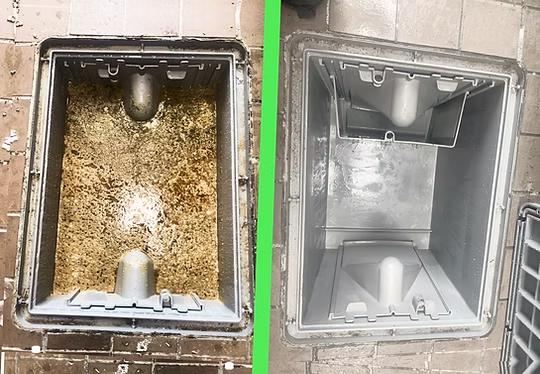
Small hydromechanical traps under Hazel Crest sinks usually hold 20 to 50 gallons. We vacuum the full volume, not just the floating cap, because solids settling at the bottom take up capacity silently. For high-volume fryer kitchens that often means a 30-day cycle rather than the quarterly visit many owners assume is enough.
Grease Interceptor Cleaning in Hazel Crest
Cleaning goes beyond removal. Crews scrape baffles, clear the inlet and outlet tees, check the sample port and rinse the walls so the next layer of FOG has nowhere to anchor. A clean interior also lets us see cracks or corrosion that a quick pump would hide.
Grease Interceptor Pumping in Hazel Crest
Outdoor gravity interceptors serving the larger Hazel Crest kitchens commonly range from 750 to 1,500 gallons. A vacuum truck removes the entire contents in one pass, and the waste goes to a permitted processing facility. We record the gallons removed and the measured grease and solids depth, which helps you set a realistic schedule.
Cities we cover around Hazel Crest
Crews based in Hazel Crest reach these neighboring communities on regular routes. Each page covers the local sewer authority, the main corridors and the access issues kitchens face there.
Hazel Crest service map
Hazel Crest sits between Kedzie Avenue and Halsted Street, just north of Interstate 80.
Questions Hazel Crest restaurant owners ask
How often should a Hazel Crest restaurant pump its grease trap?
Many shops start with a monthly or quarterly cycle and adjust from there. A common industry rule is to service the unit before grease and solids reach about a quarter of its depth. Our measurements on the first two visits usually settle the right interval.
Which agency treats the wastewater that leaves Hazel Crest kitchens?
The Metropolitan Water Reclamation District of Greater Chicago. Flow from the village travels through MWRD interceptor sewers to the Calumet Water Reclamation Plant, and MWRD rules prohibit discharges that obstruct sewers or upset treatment.
Do you service the large kitchen at a hospital or care facility?
Yes. Institutional kitchens run more meals per day than most restaurants and usually have big outdoor interceptors. We schedule around meal service, document every visit for the facility's environmental services team, and can set a fixed recurring date.
Can you work early in the morning before we open?
Early slots are the most requested. We try to finish pump-outs before prep starts so there is no smell in the dining room and no vacuum truck blocking the drive-thru lane at lunch.
What paperwork do I get after a service visit?
A dated service record showing the unit type, gallons removed, grease and solids depth, the condition of baffles and tees, and any repair notes. Keep it with your other compliance papers so it is ready when an inspector visits.
My church kitchen only runs a few times a month. Does it still need service?
It does, though less often. Grease from fish fries and repast dinners hardens in a trap that sits idle, which makes the eventual cleanout tougher. A twice-yearly or quarterly schedule usually keeps it under control.
Why does my kitchen drain smell like rotten eggs?
That odor is usually hydrogen sulfide from grease and food solids decomposing in an overdue trap. Pumping and scraping the unit normally clears it. If the smell returns quickly, a missing seal or a cracked lid may be the cause.
Can enzymes or bacteria additives replace pumping?
No. Additives can break grease into smaller droplets that pass the outlet and re-solidify further down the sewer line, which is exactly what MWRD and the village want to prevent. Physical removal is the only reliable method.
What happens if snow covers my outdoor interceptor lid?
Call ahead and we will plan for it. Our crews bring shovels and ice tools, but marking the lid with a tall stake in late fall saves time and avoids a snowplow burying it again after the visit.
Is a slow sink always a full trap?
Not always. A full trap is the most common reason, but a clogged line between the sink and the trap, or a collapsed section past the outlet, can look the same. During the visit we check flow on both sides of the unit.
Do you pump traps in food trucks or commissary kitchens?
We service the stationary trap at the commissary where trucks wash and prep. Mobile units with built-in grey water tanks are a different service and should be emptied at an approved disposal point.
How long does a typical visit take?
An under-sink trap is often finished in 30 to 45 minutes. A large outdoor interceptor with heavy buildup can take one to two hours, depending on access, ice and how long it has been since the last cleaning.