Grease Trap Cleaning Posen IL
Small kitchens on Western Avenue and the break rooms in Posen's industrial yards still need Grease Trap Cleaning Posen IL inspectors expect, even when the trap is a modest unit under a single sink. We pump it completely, scrape the walls and baffles, and leave a dated record.
Posen is a village of roughly 6,000 people, named after the Polish city of Poznań by its early settlers. It is small and mostly residential, with a mix of family-run restaurants, delis, pizza shops and industrial businesses spread along a few main roads.
What a deli trap cleanout looks like in Posen
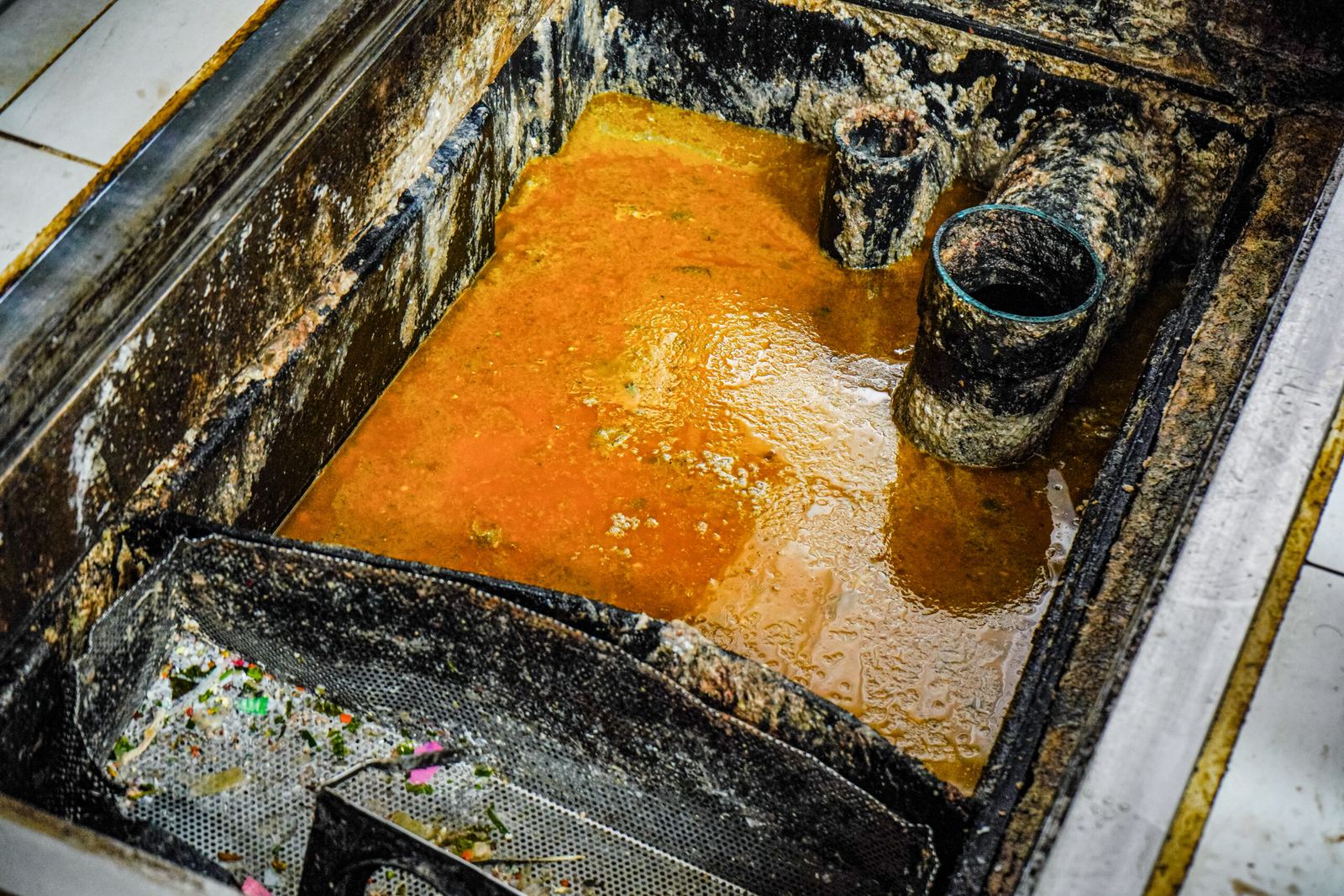
Most Posen jobs involve a small trap under the main sink, so the visit is short. The technician clears the area, lifts the lid and measures the grease and solids, which in a busy deli can fill most of the unit within a few weeks. The trap is pumped dry, the baffles and walls are scraped, and the gasket is checked so the lid seals tightly against odors. After a refill with clean water, the owner gets a dated record to keep with the business's other paperwork.
MWRD and village sewer rules for Posen businesses
Posen's wastewater flows into MWRD interceptor sewers bound for the Calumet Water Reclamation Plant. The district's Sewage and Waste Control Ordinance prohibits discharges that block sewers or interfere with treatment, which includes heavy kitchen grease. The village maintains local sewers, and with limited staff, a single grease blockage can take significant time to resolve.
Interceptor installation follows the Illinois Plumbing Code, and the Cook County Department of Public Health inspects food establishments in the village. For small businesses, keeping a simple file of service records is the easiest way to show the trap is being maintained.
Western Avenue delis and 147th Street industrial yards
Western Avenue and 147th Street carry most of Posen's commercial traffic. Family restaurants, Polish and Mexican delis, pizza and carry-out kitchens serve residents and workers from nearby industrial sites.
Trucking companies, warehouses and light manufacturing businesses run break rooms and small cafeterias that are easy to overlook. Churches and community halls host dinners and celebrations, and the schools of Posen-Robbins School District 143.5 operate cafeterias on the academic calendar.
Because so many Posen kitchens are small, owners sometimes assume their trap can go a year without attention. In practice, a 20-gallon unit under a busy deli sink can fill within weeks. Grease trap cleaning on a measured schedule keeps those small units working and prevents the gradual buildup that ends in a weekend backup.
Tight lots and truck traffic in Posen
Many Posen businesses have small lots shared with delivery vehicles and trucks. We plan truck placement in advance and schedule visits for quiet hours so service does not block deliveries or customers.
Winter plowing piles snow on lot edges, often over interceptor lids. Grease trap cleaning in cold months includes clearing ice from rims and checking that lines into the trap are flowing, since grease hardens quickly in cold pipes.
Grease Trap Pumping in Posen
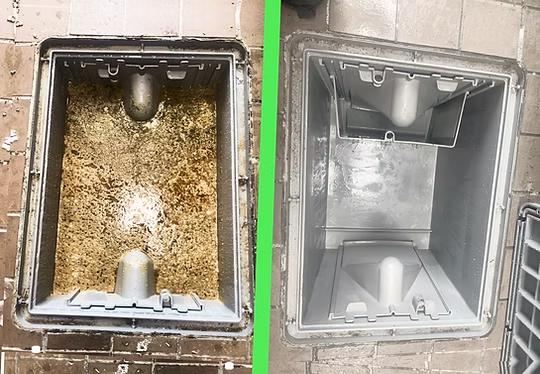
Family restaurants and delis in Posen often use indoor traps of 20 to 40 gallons. These units can fill quickly with frying and meat preparation, so pumping every one to two months is common for busier kitchens.
Grease Interceptor Cleaning in Posen
For Posen interceptors serving industrial cafeterias or community halls, cleaning includes scraping baffles, clearing the tees and checking the sample point. A clean unit works efficiently even when large meals or events push heavy grease loads.
Grease Interceptor Pumping in Posen
Larger kitchens and industrial sites in Posen typically use outdoor interceptors holding 750 to 1,500 gallons. We pump the full tank, record layer depths and recommend a schedule that fits the site's actual use.
Map of Posen
Posen sits west of Harvey and north of Markham, around Western Avenue and 147th Street.
What Posen deli and pizza owners ask
Do small Posen delis need grease traps?
If they cook, fry or wash greasy dishes on site, plumbing rules generally require grease interception. Smaller delis may need less frequent service, but they still need a trap and regular pumping.
How often should a Posen pizza shop pump its trap?
Pizza kitchens with fryers often need service every one to two months. Shops with limited frying may go longer. Measurements on the first few visits help set the right interval.
Can you service a trap at a trucking company break room?
Yes. Break rooms with sinks and microwaves or small cooktops can still send grease down the drain. Many of these sites use small traps that need periodic pumping.
What happens if grease from my Posen business blocks the village sewer?
Village crews will clear the line and look for the source. A recent service record showing your trap was maintained helps clarify that your business is not the cause.
Do Posen church halls need regular grease service?
Halls that host dinners, receptions or holiday events can fill small traps quickly. Scheduling service after major events keeps the unit ready for the next gathering.
Why does cold weather make grease problems worse?
Cold temperatures make grease harden faster in pipes and traps. That can narrow lines and slow drainage, especially in older buildings with longer runs to the trap.
How do I find my grease trap if I just bought a Posen restaurant?
Check under the main sinks, in the floor near the dish area and outside for a round or rectangular lid. If you cannot find it, we can help locate the unit during the first visit.
Do Polish and Mexican delis produce more grease than other businesses?
Kitchens that cook sausages, cured meats, carnitas or fried foods tend to produce heavier grease loads. These businesses often benefit from shorter service intervals.
Can I clean my small trap myself?
Some owners remove surface grease between visits, but full pumping and proper disposal require equipment and permitted facilities. Professional service also provides the records inspectors look for.
Do you service Posen school cafeterias?
Yes. School cafeterias often have mid-sized interceptors and follow a quarterly or semester-based schedule, with cleanouts before breaks.
What signs mean my trap needs service right now?
Slow drains, gurgling sounds, odors and water backing up into floor drains are warning signs. Call for service as soon as you notice them.
Is grease from industrial cafeterias treated differently?
Not usually. It is the same type of FOG as restaurant grease and goes to a permitted processing facility. Volume and schedule depend on how many meals are served.
Villages around Posen
Kitchens close to Posen are on the same service routes: